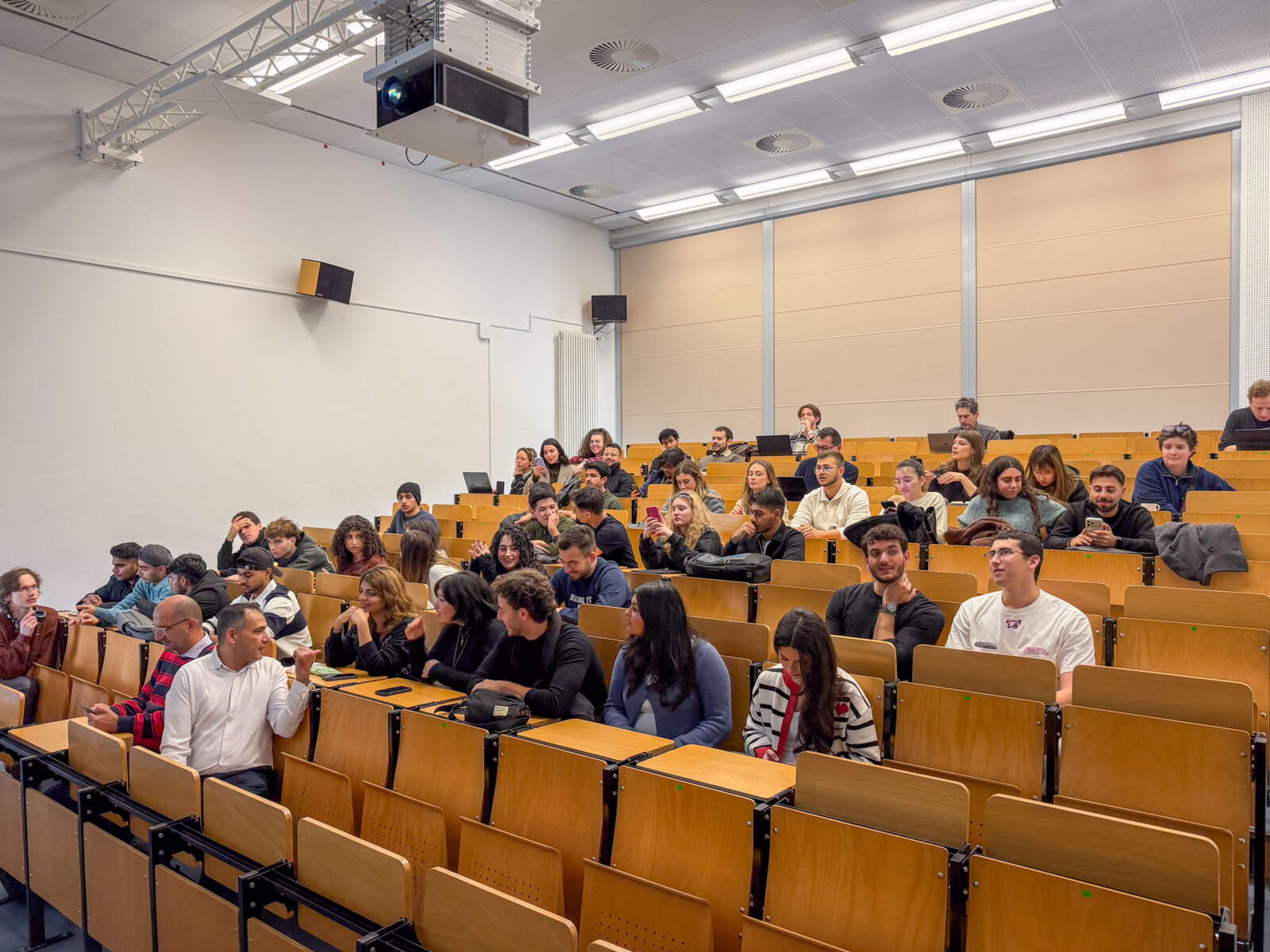
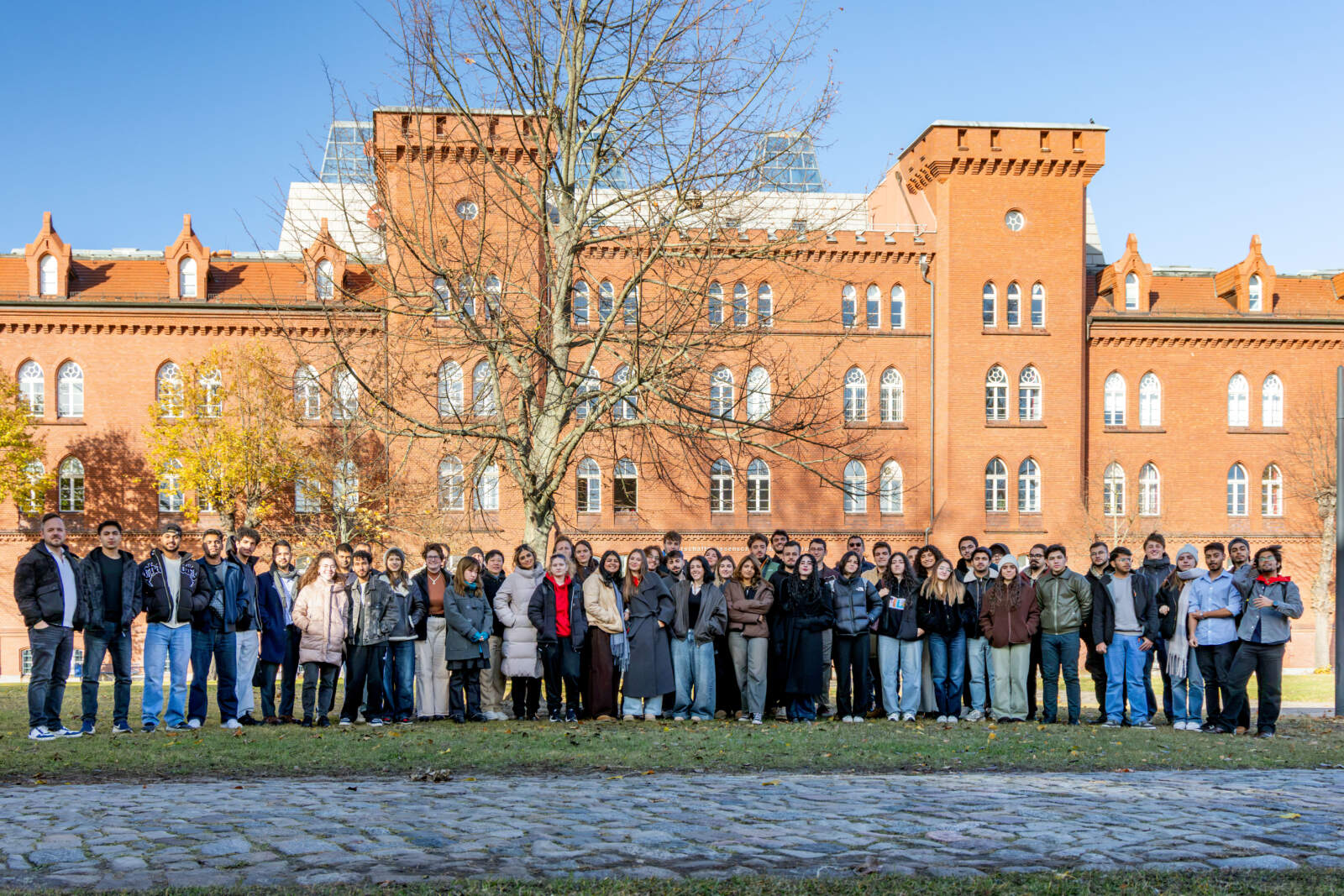
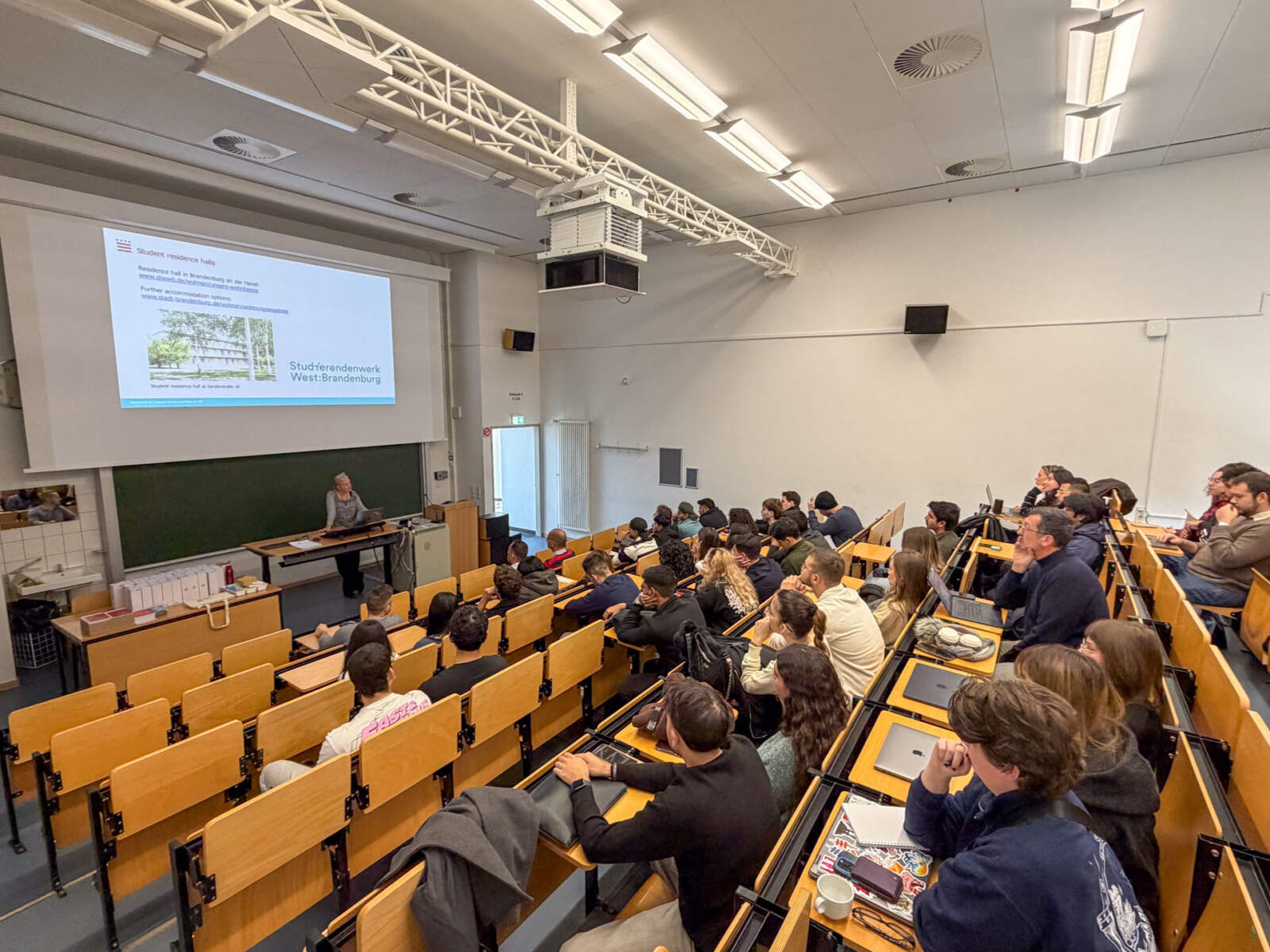
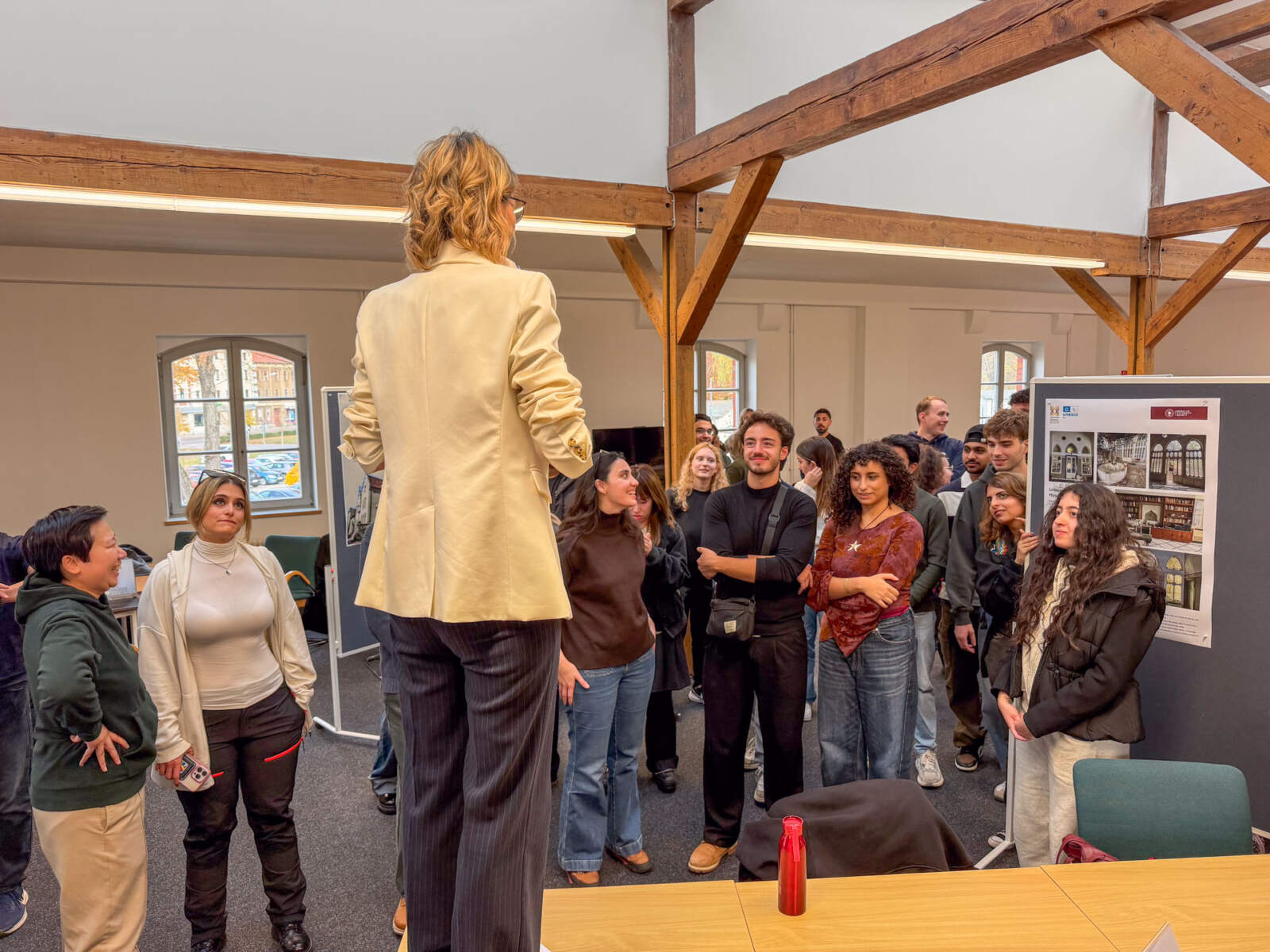
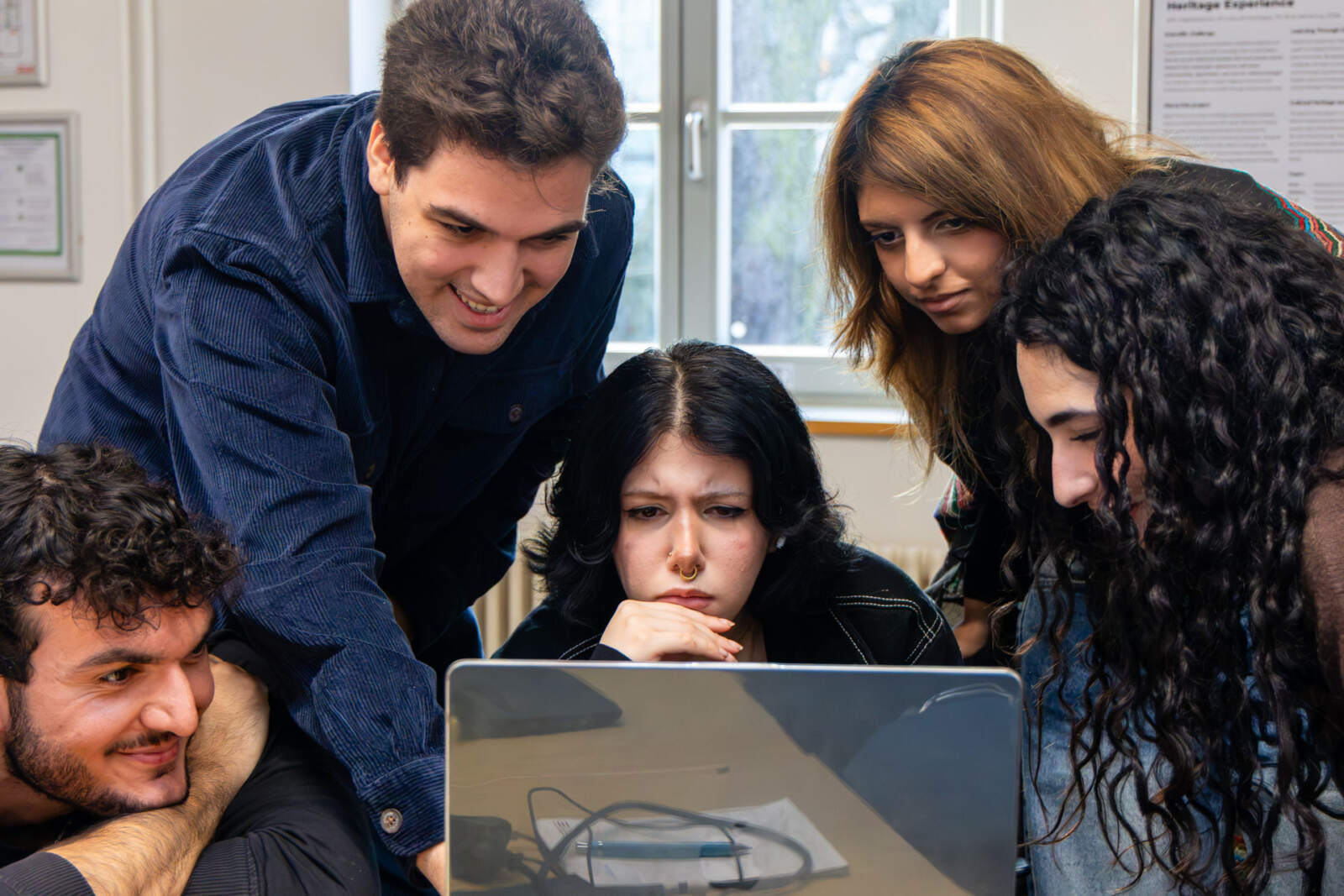
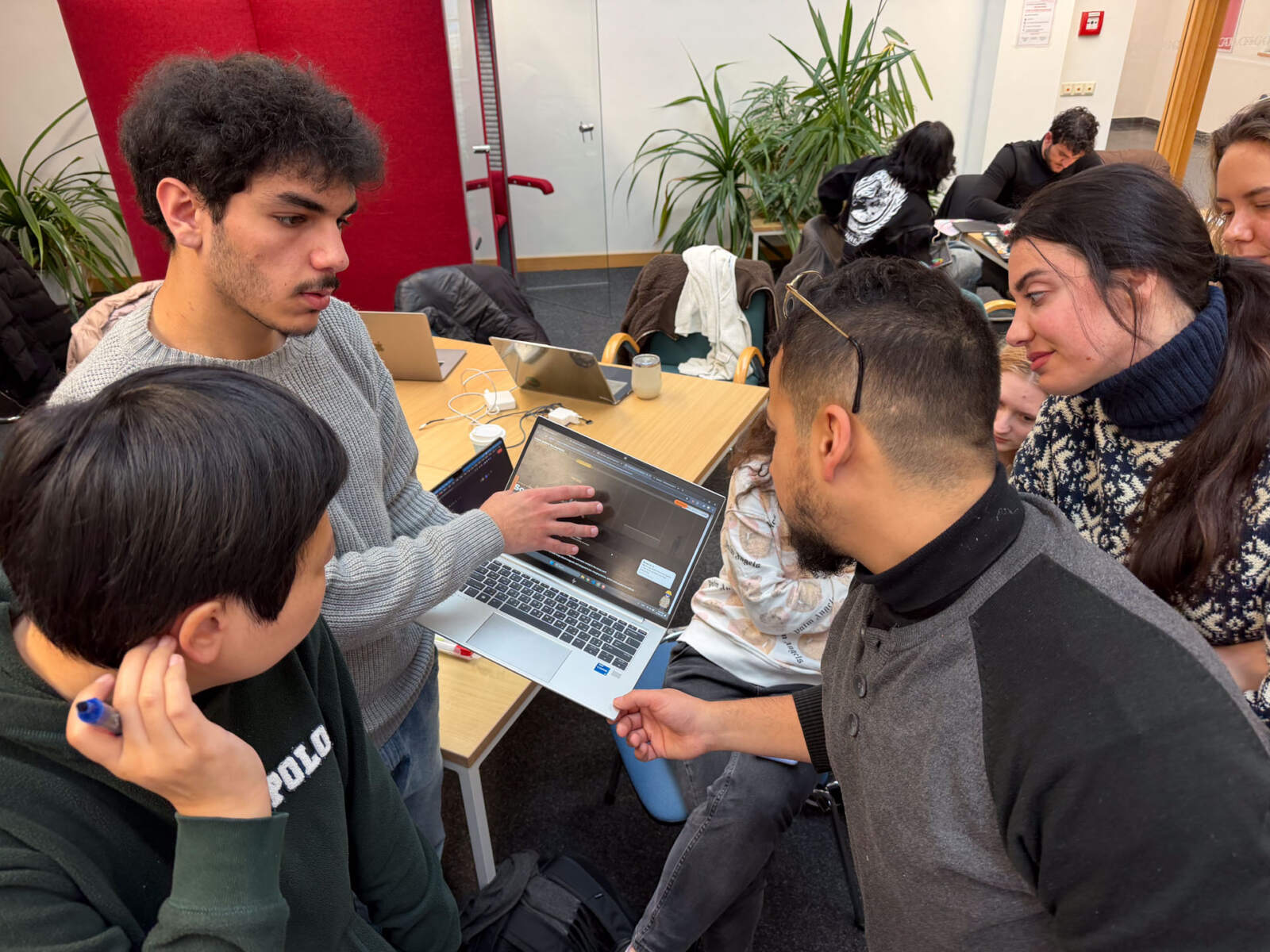
How can a heritage site be transformed into an interactive prototype in just one week – working as a team with students from more than 15 countries? As part of the Blended Intensive Programme (BIP) ‘Interactive Cultural Heritage Experiences’, around 50 students and 10 lecturers from Latvia, Estonia, Germany, Cyprus, Lebanon and Jordan came together at Brandenburg University of Applied Sciences from 9 to 13 November 2026. Working in mixed, interdisciplinary teams, they developed games, digital narratives and VR environments based on cultural heritage sites from their home regions. Christoph Luchs supervised the working groups, was involved in the organisation and led the coaching sessions on photogrammetry, storytelling and VR development.
The programme: Blended Intensive Programmes at Brandenburg University of Applied Sciences
EThe Blended Intensive Programme combines virtual preparation, a week of on-site work and a subsequent online phase. Before arriving, each university team selected a cultural heritage site in their region, researched its history, sources and visual material, and drew up a project concept: what should users learn or experience, who is the application intended for, and what kind of prototype is realistic to produce in a week?
Participants included, amongst others, Tallinn University of Technology, the Cyprus University of Technology, the American University of Beirut, the German Jordanian University, Riga Technology University – Liepaja Academy and Brandenburg University of Applied Sciences. Participation is worth a total of 6 ECTS credits: 3 for the project week and 3 for the assessed final dissertation.
How the project week works: From idea to prototype in five days
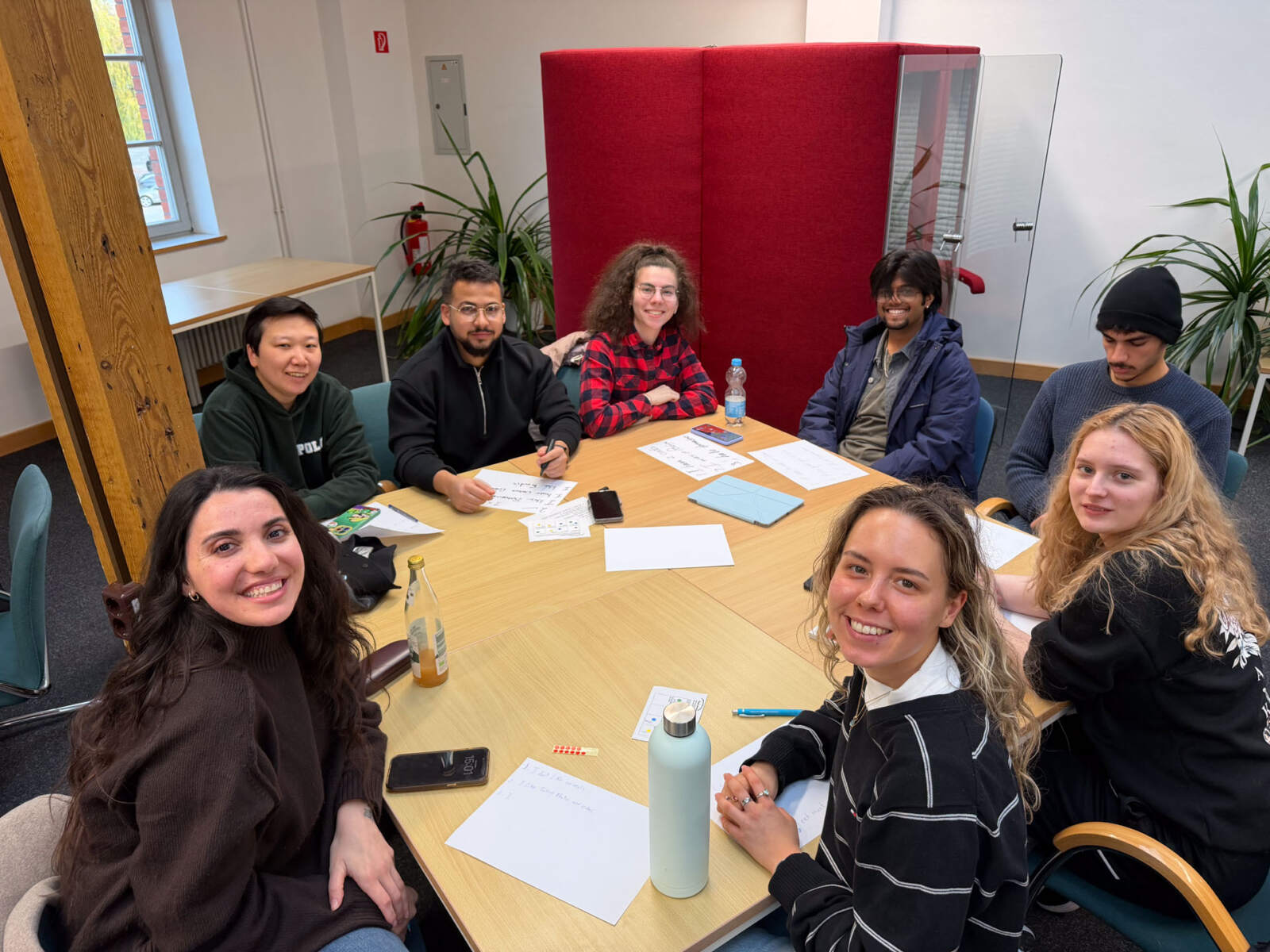
- Monday – Topics and teams: Each university presented one or two cultural heritage sites along with a project idea. International teams were then formed based on participants’ interests and the skills required: UX design, programming, project management, content and editing, user research, photogrammetry and 3D modelling.
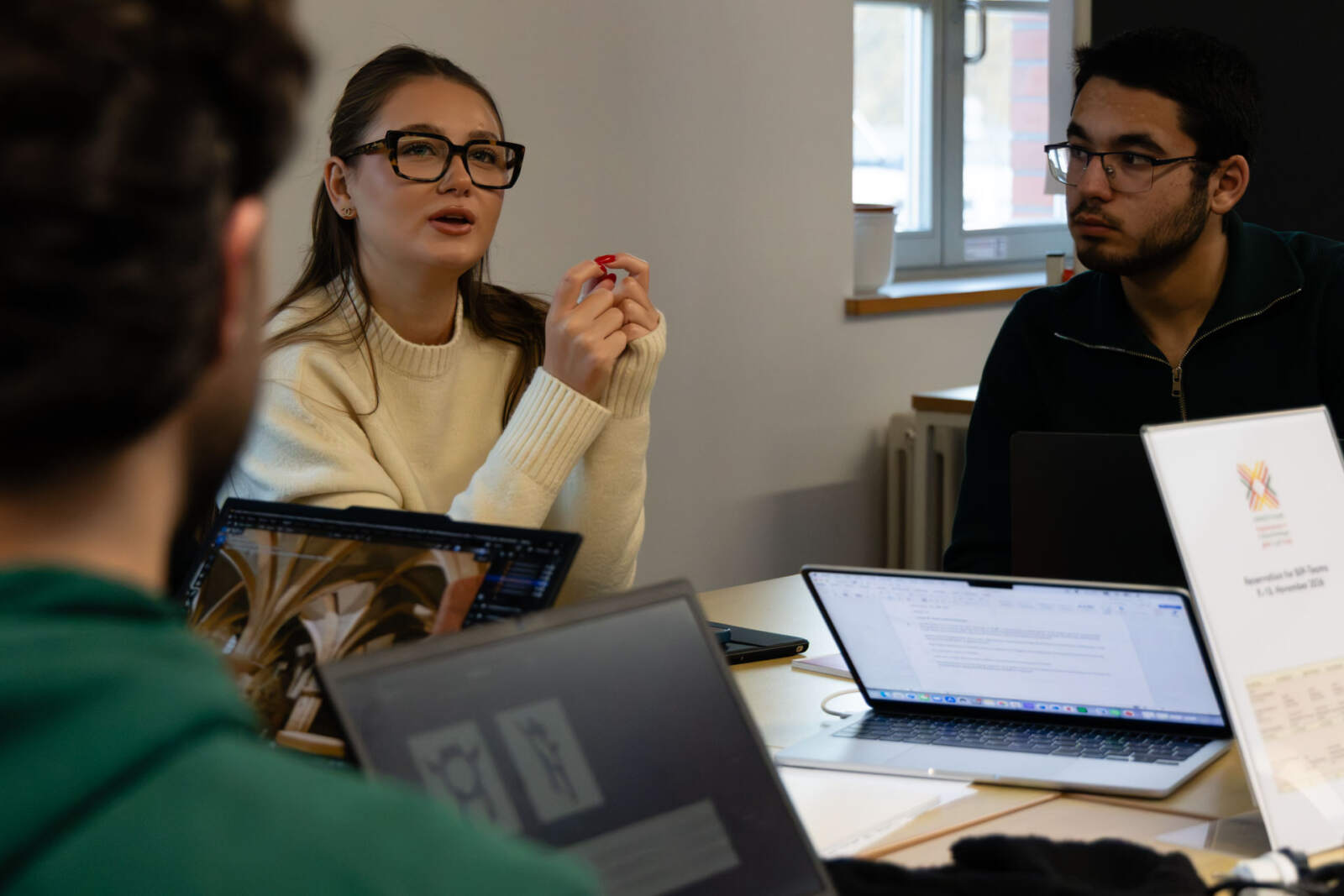
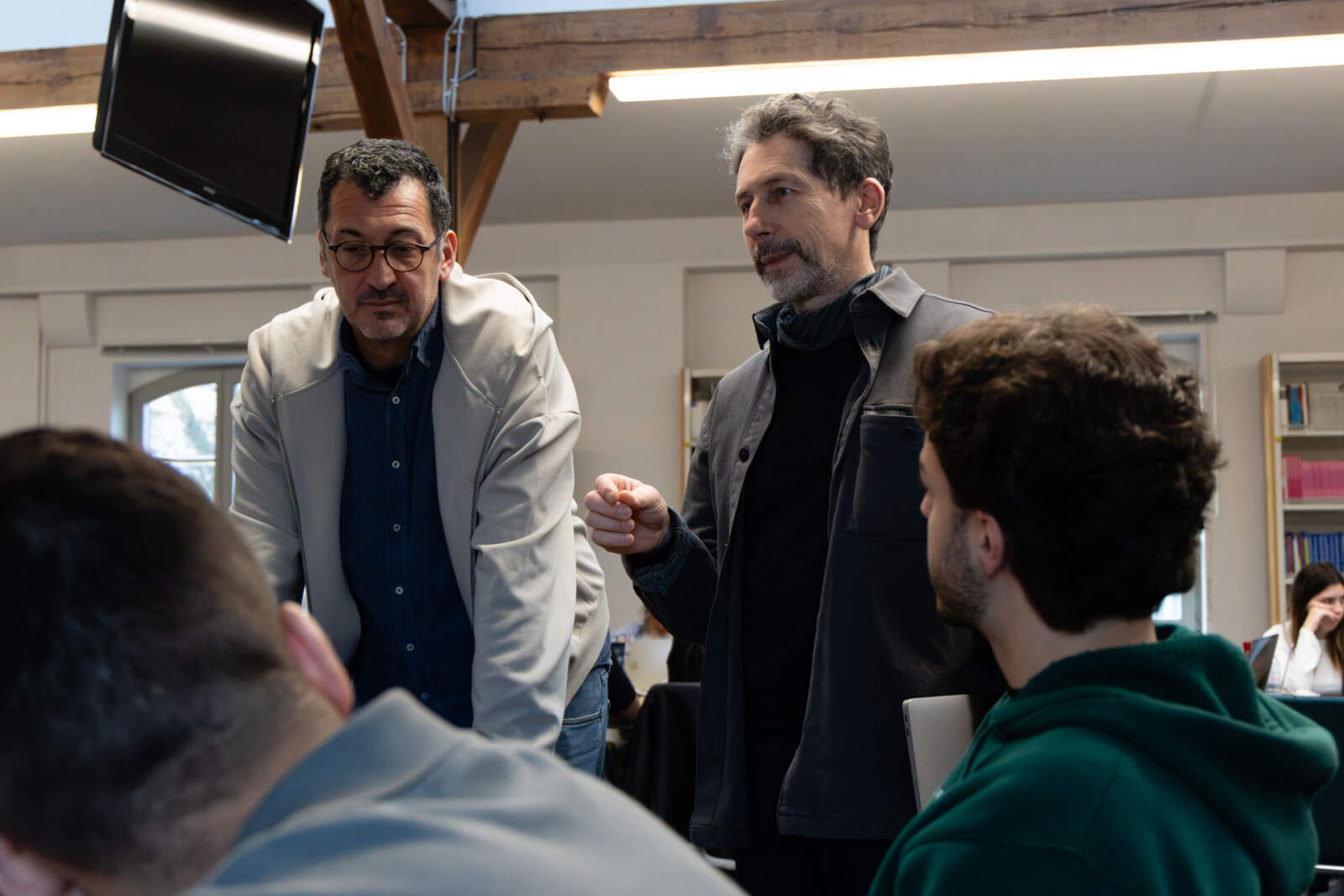
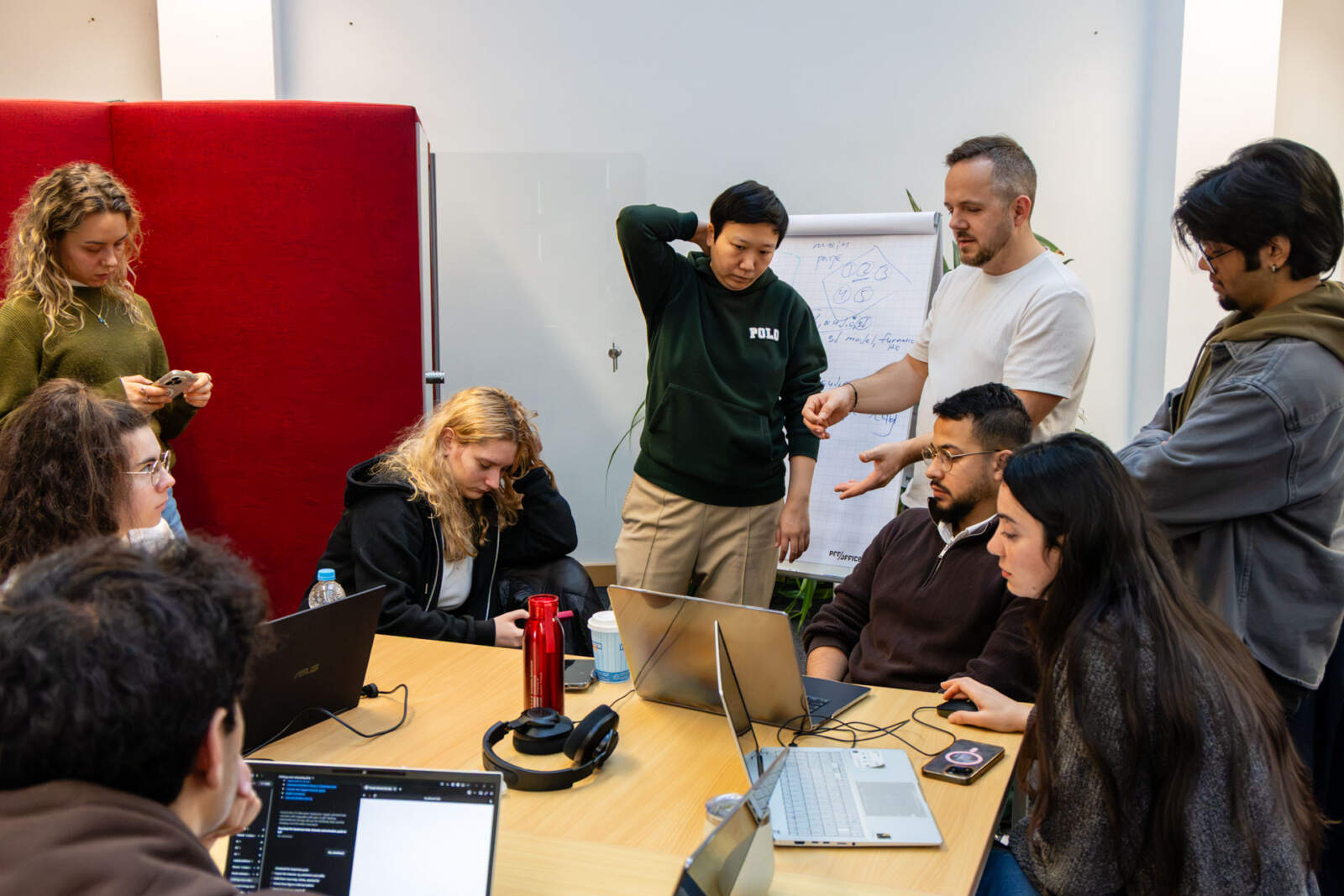
- Tuesday to Thursday – Development: Each team worked in its own room on the storyboard, interaction flow and prototype. Tutors from five countries were on hand to provide expert advice on UX, user research, 3D, game engines, XR and programming.
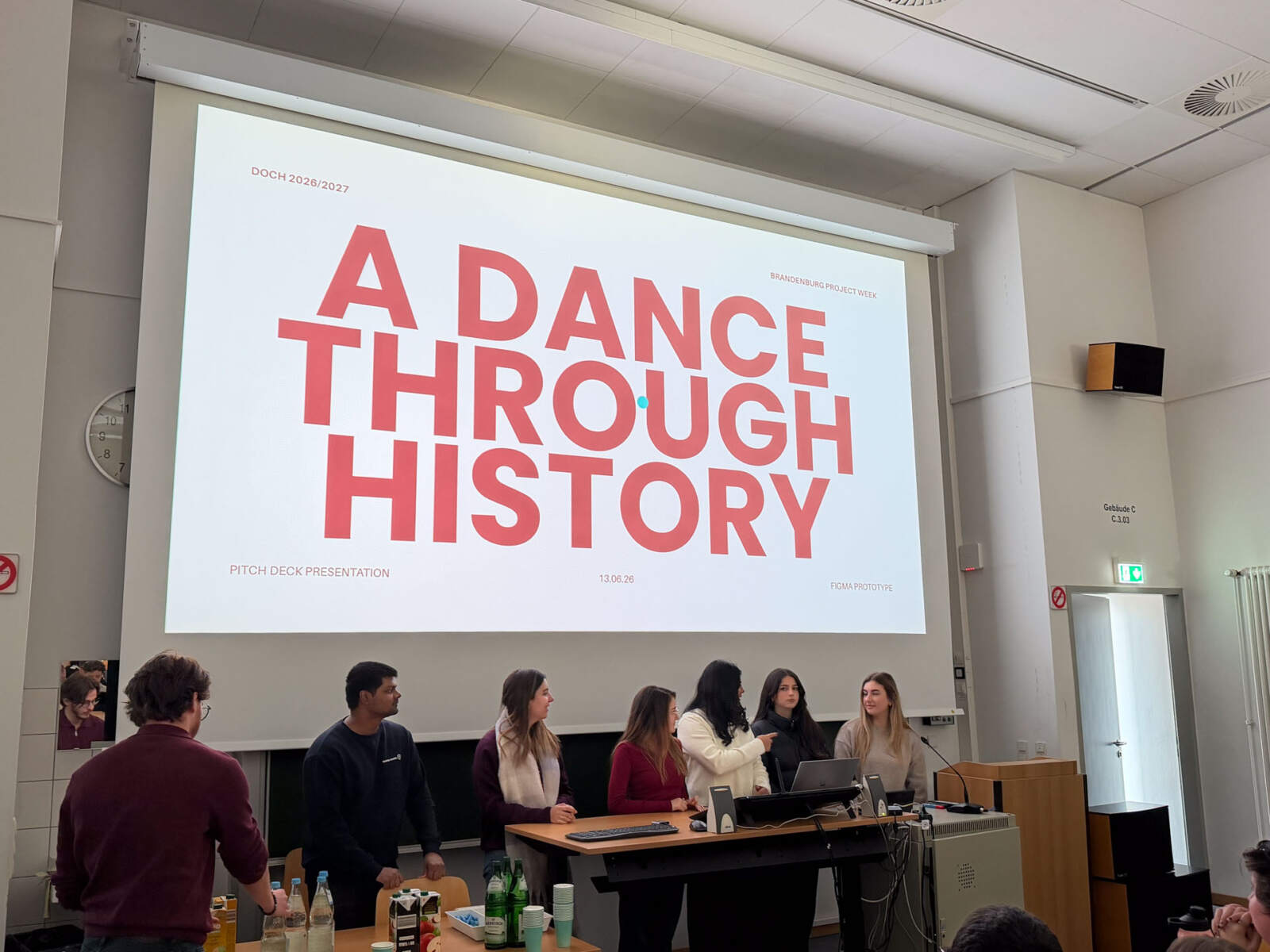
- Friday – Interim presentation: All teams presented their prototypes in short talks and outlined the remaining tasks.
- Until December – online phase: The teams will continue to develop their projects remotely and present them on 17 December 2026 via a scientific poster and an online pitch.
Field trip: The Brandenburg Industrial Museum as a project topic
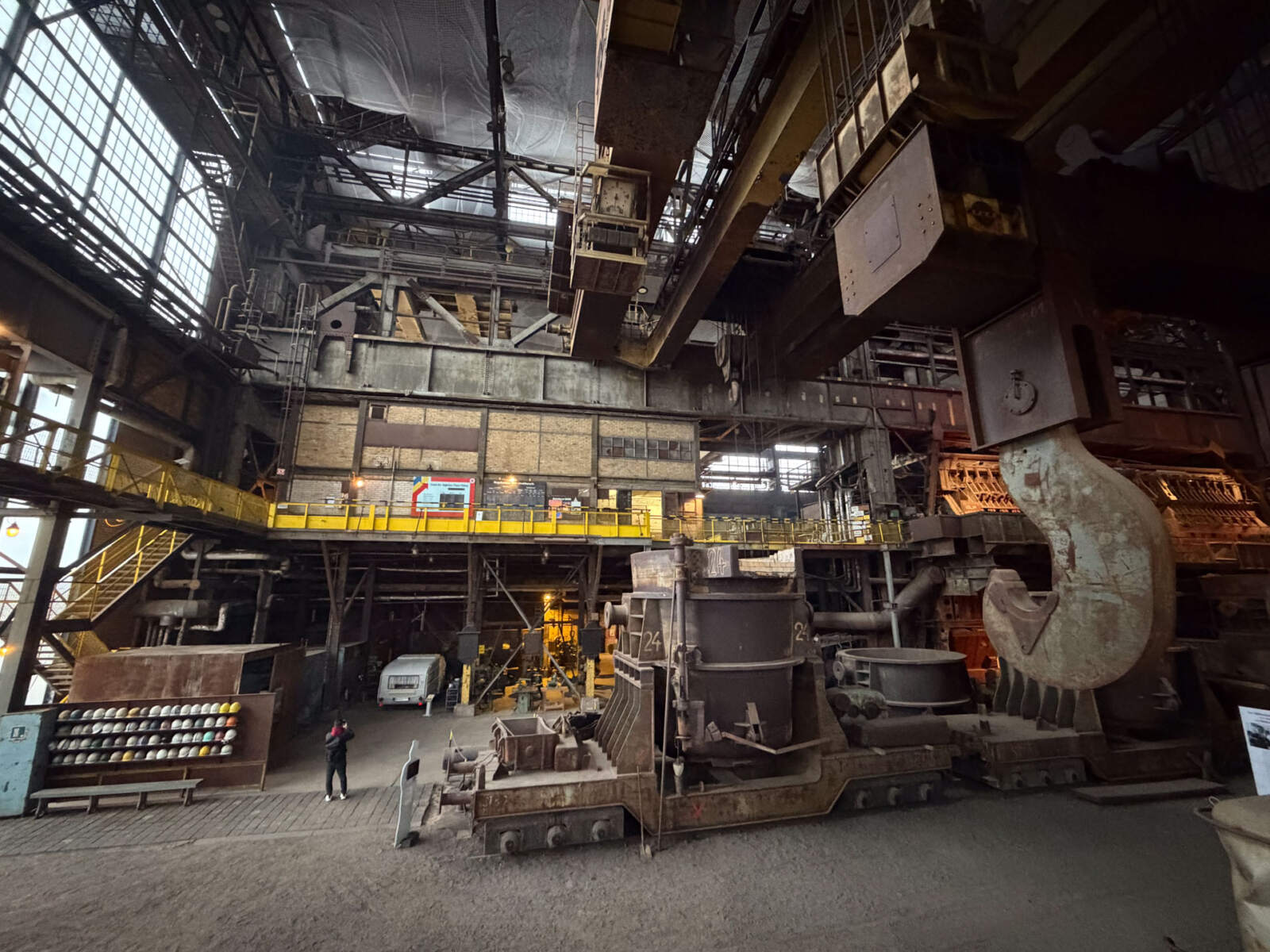
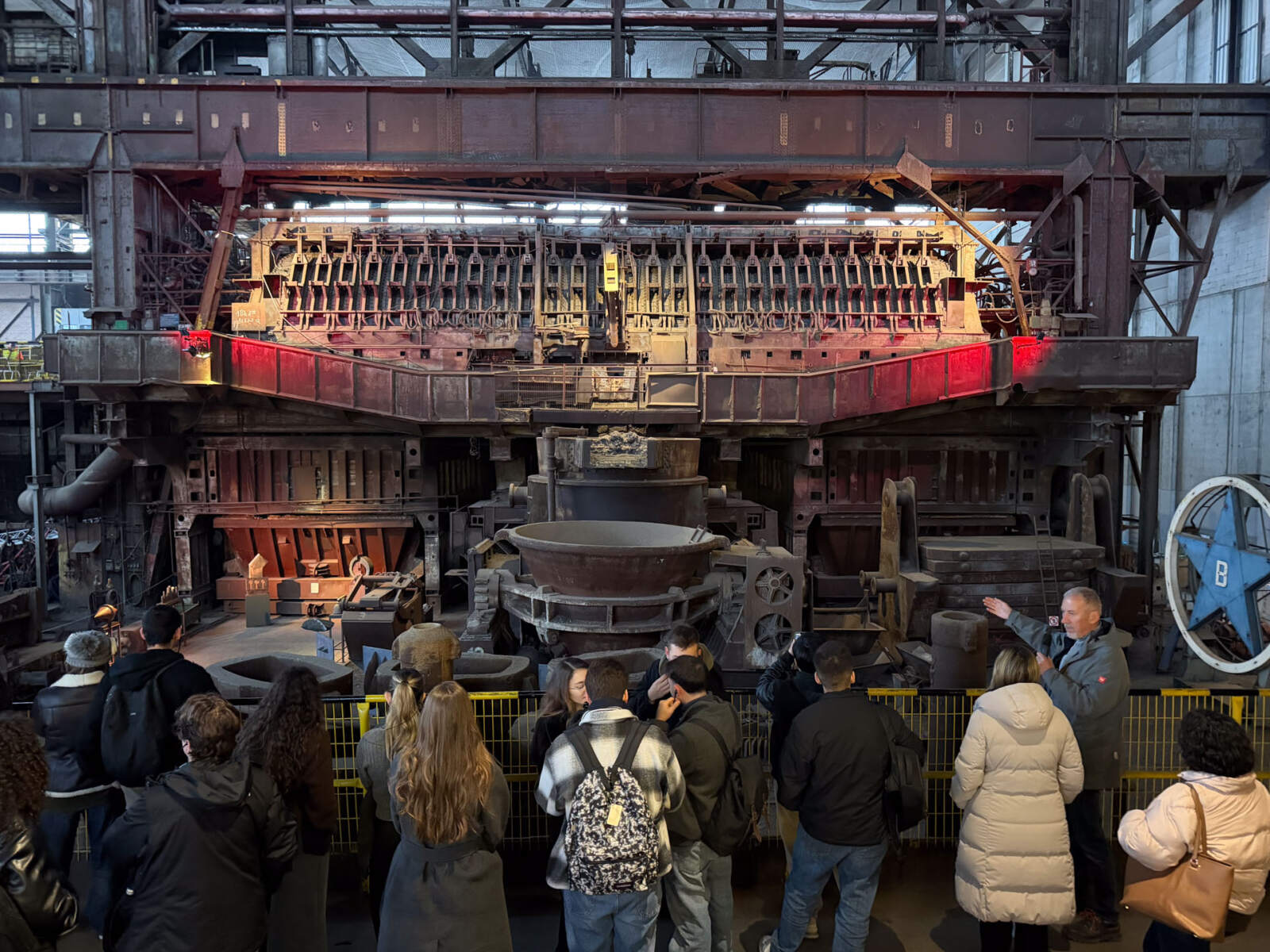
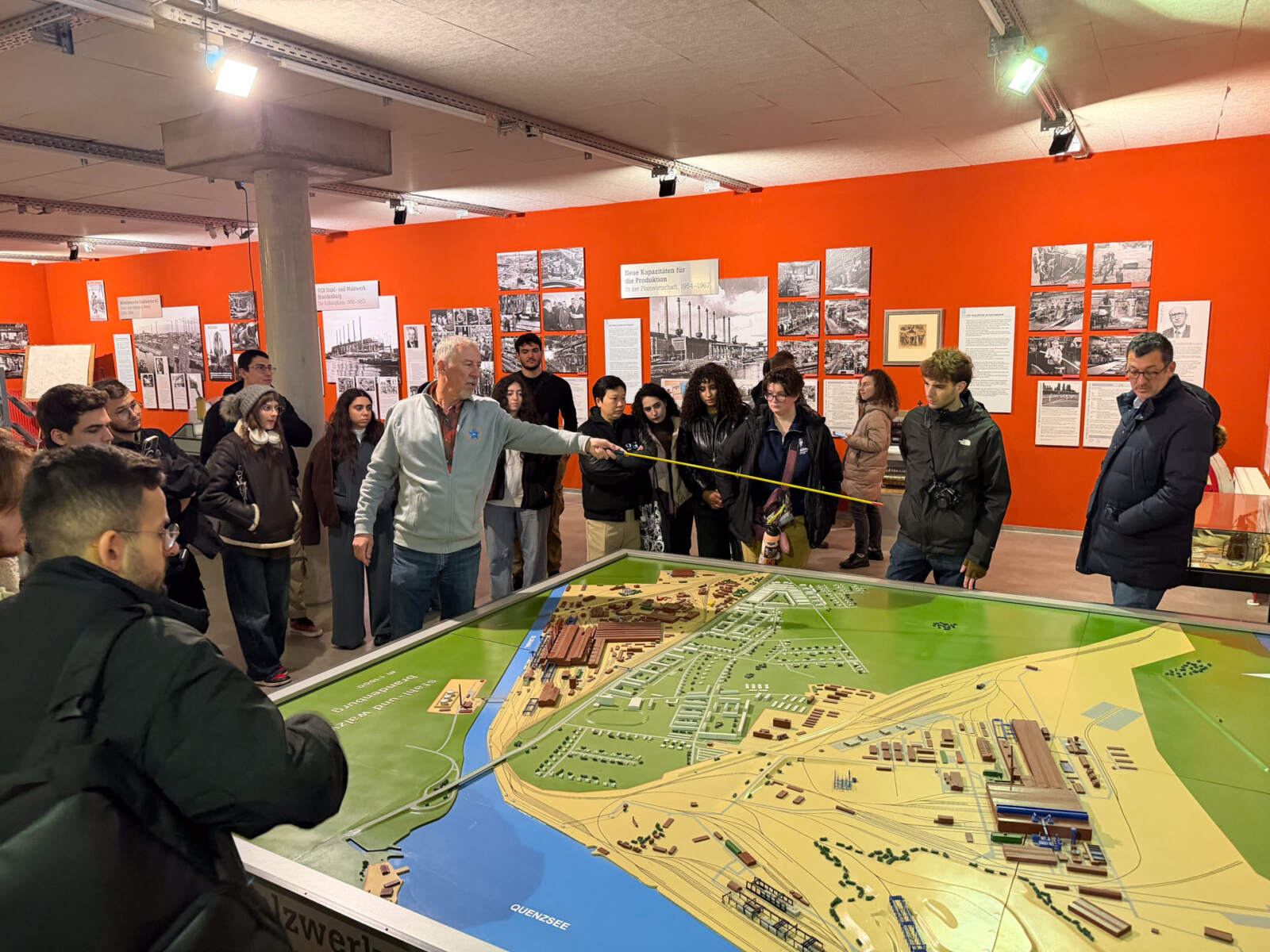
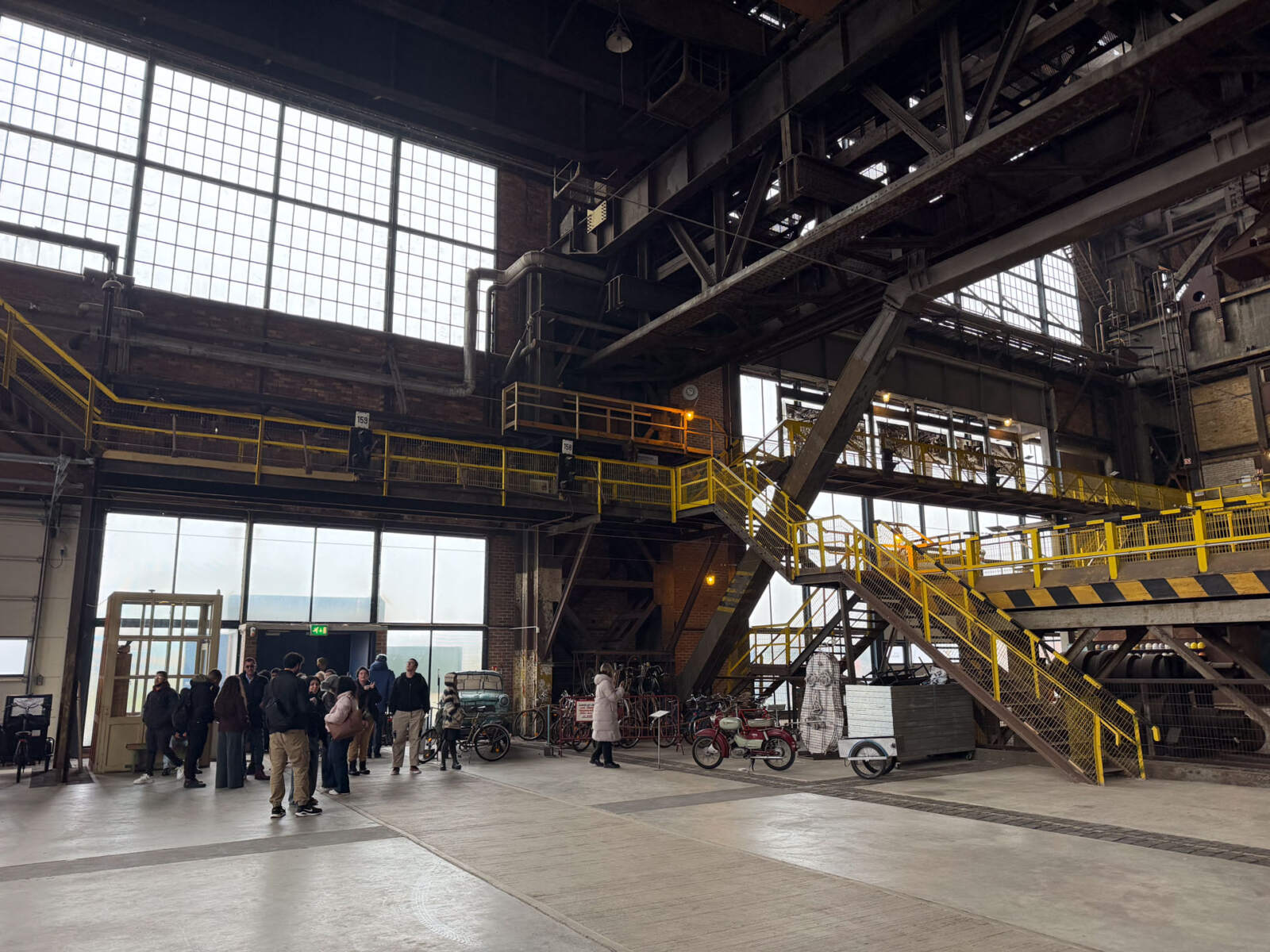
One of the topics was right on the doorstep: the Brandenburg an der Havel Industrial Museum. It has been built around the last surviving Siemens-Martin furnace in Western Europe, in which steel was smelted from 1914 to 1994. During an excursion, the team explored the former steelworks, gathered impressions and photographic material, and used these to develop an interactive game from the perspective of a factory worker.
The projects: Cultural heritage as a game, a narrative and a VR environment
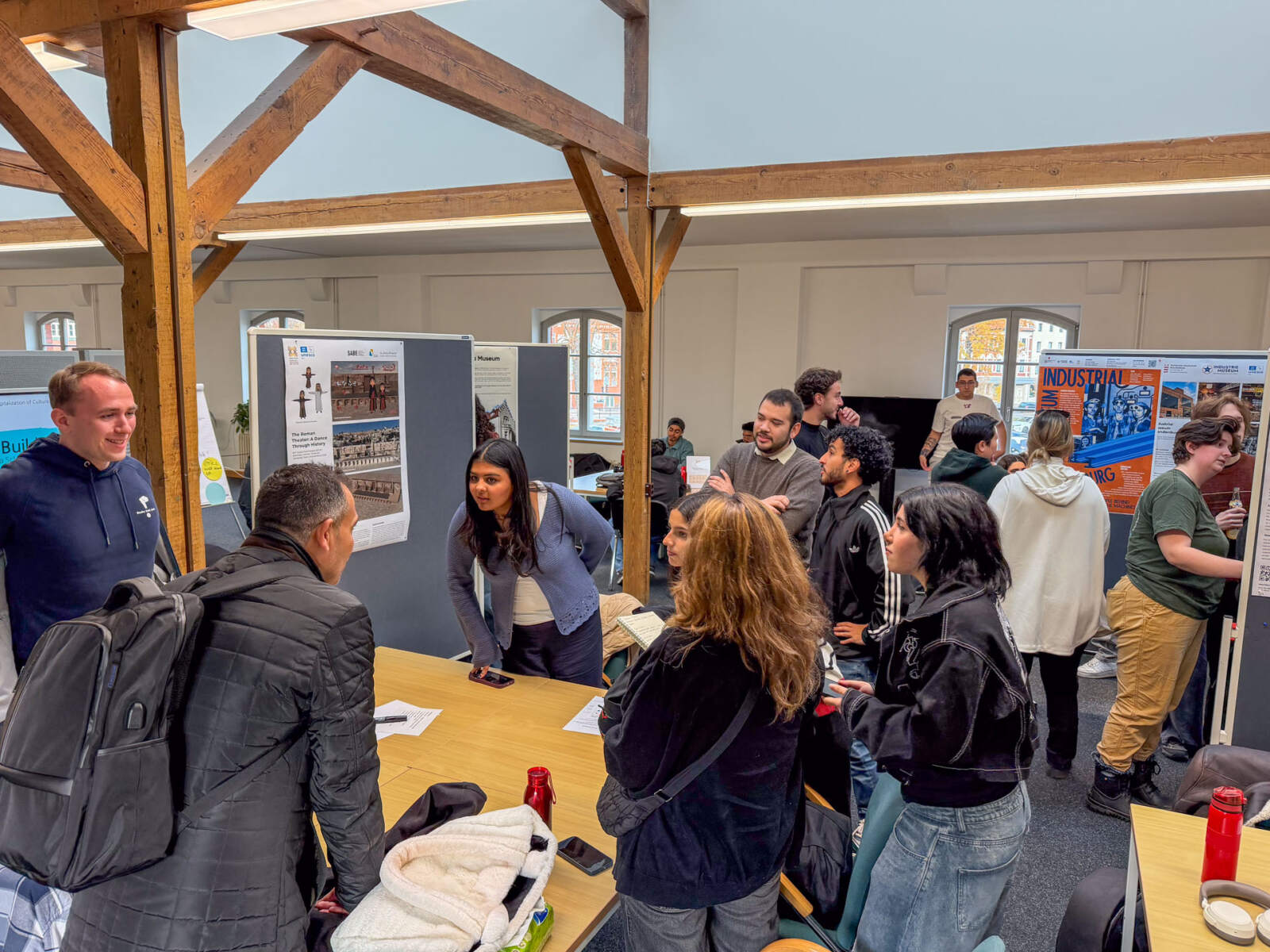
The teams presented their topics using a variety of interactive formats:
- Kuldiga, Latvia: An interactive experience of the landscape surrounding the UNESCO World Heritage Site in Latvia
- Saaremaa, Estonia: VR experience of the church for 12th-century pilgrims on the Estonian island
- Liepaja, Latvia: VR presentation of the Liepāja City Museum
- Amman, Jordan: A movement game for learning traditional dances in the Roman theatre
- Byblos, Lebanon: Life and trade in the Phoenician era, 800 BC
- Limassol, Cyprus: A VR experience in the 12th-century harbour citadel of Limassol
- Beirut, Lebanon: 3D rendering of a traditional house in Beirut
- Brandenburg, Germany: An interactive game from the perspective of the workers at the steelworks
Support, organisation and specialist coaching
As well as helping to organise the event, Christoph Luchs provided the working groups with content-related and technical support throughout the week – from refining the project idea, through storyboarding and interaction design, right up to the interim presentation. His specialist focus was on photogrammetry workflows, storytelling and interaction design: how teams can capture locations and objects as 3D models using simple methods and adapt them for the web, games or VR.
What makes international cultural heritage project weeks special
- Teams based on skills, not on background: Mixed teams bring together design, technology and content – and force participants to make their ideas understandable to an international audience.
- Preparation is key: As the research and visual material were already available before we arrived, the week on site could be devoted entirely to development.
- Prototype rather than perfection: A clickable or interactive prototype ready in five days makes it possible to test ideas and gives the online phase a clear direction.
- Intercultural communication: Work was carried out in culturally and linguistically mixed groups across all borders, with the focus on shared learning success.
Frequently Asked Questions
What is a Blended Intensive Programme (BIP)?
A BIP is a short, internationally oriented teaching format under the Erasmus+ programme. It combines a face-to-face phase lasting a few days with virtual collaboration before and after. Students from several universities work together on a task and receive ECTS credits for it.
Which interactive formats are suitable for communicating cultural heritage?
Serious games and escape rooms, virtual tours, interactive maps, apps for on-site exploration, and 3D and VR experiences based on photogrammetry and 3D scans have all proved their worth. The choice depends on what users are meant to understand or experience, and where they encounter the application.
What role does photogrammetry play in such projects?
PPhotogrammetry uses a camera or a smartphone to produce realistic 3D models of places and objects. These models form the basis for digital twins, game environments or VR tours, and make it possible to experience even hard-to-reach places.
Could a format like this be implemented in museums or schools?
Yes. The programme and methodology can be tailored to the duration, group and facilities – from a one-day workshop with school classes to a multi-day collaboration with a museum. For enquiries: Get in contact.
DE-BRA-BIP-WEEK-112026_129
DE-BRA-BIP-WEEK-112026_002
DE-BRA-BIP-WEEK-112026_027
DE-BRA-BIP-WEEK-112026_030
DE-BRA-BIP-WEEK-112026_035
DE-BRA-BIP-WEEK-112026_070
DE-BRA-BIP-WEEK-112026_069
DE-BRA-BIP-WEEK-112026_105
DE-BRA-BIP-WEEK-112026_060
DE-BRA-BIP-WEEK-112026_112
DE-BRA-BIP-WEEK-112026_048
DE-BRA-BIP-WEEK-112026_045
DE-BRA-BIP-WEEK-112026_044
DE-BRA-BIP-WEEK-112026_043
DE-BRA-BIP-WEEK-112026_130
DE-BRA-BIP-WEEK-112026_001